Learning to ski can be a daunting task. Steep mountains, cold temperatures, co-ordination and the unusual feeling of your feet being strapped in all play a part. However it can bring such joy and excitement. We explore just when is the best time to learn to ski below.

When Is the Best Time to Learn to Ski Overview
Learning to ski is an exciting goal. Whether you’re drawn by mountain scenery, winter, exploration, the thrill of gliding over snow. Or, more recently, the Instragram’able appeal skiing offers. One of the most common questions beginners ask is, when is the best time to learn to ski? However, the answer depends on several factors, including the season, your age, your schedule, and even your mindset. The good news is that there is no single “wrong” time. Just occasions that may suit you better than others.
The Best Time of Day to Learn to Ski
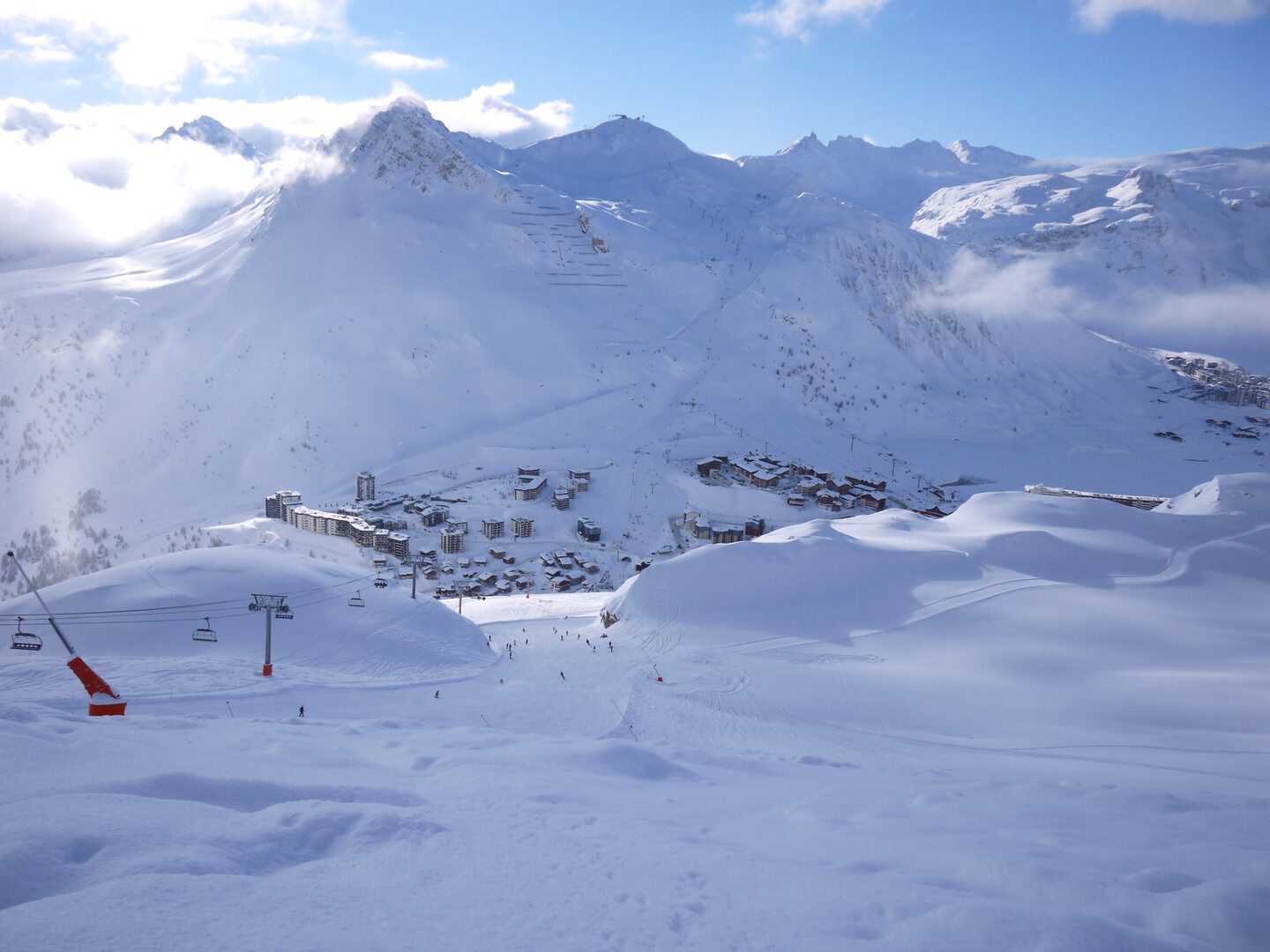
For most people, early to mid-winter is the ideal time to learn to ski. This usually means December through February in many ski regions. During this period, ski resorts tend to have consistent snow coverage, well-groomed beginner slopes, and fully operational ski schools.
These typically excellent and reliable snow conditions make learning easier because you won’t be dealing with icy patches, thin coverage and hard packed snow, that can be intimidating for beginners. Particularly when falling over slightly more often than advanced skiers.
That said, January is often considered the sweet spot. Holiday crowds have thinned out after December. And you avoid any February half terms. Additionally, snow conditions are usually at their best, instructors are fully settled into the season and fewer crowds mean shorter lift lines. Not forgetting, less people means more space on beginner slopes. This can all significantly reduce stress for first-time skiers.
Is Spring a Good Time to Learn to Ski?
Surprisingly, spring can also be an excellent time to learn to ski, especially for adults. But for different reasons. From March into early April, in many resorts warmer temperatures are present. Longer daylight hours, and the potential of discounted lift tickets or cheaper lesson packages. Softer spring snow, often called “corn snow”, or even “slushy” snow, is more forgiving when you fall, which can boost confidence for beginners. And naturally be less painful and more enjoyable.
However, spring conditions can vary depending on location and weather. Slushy afternoons can make learning very tiresome, plus, with limited speed instead of slicing through the slush, you find yourself getting stuck. Therefore, if you choose to learn in spring, aim for morning lessons when snow conditions are typically best. As well as resorts at higher altitudes. For example, Val Thorens, within the famous 3 Valleys resort.
Can You Learn to Ski at Any Age?
One of the biggest myths about skiing is that you need to start young. While many skiers do learn as children, there is no age limit on learning to ski. Children often learn quickly because they’re less fearful of falling, but adults bring patience, focus, and stronger motivation.
However, learning when you get into your twilight years presents different challenges. Less strength, a weaker cardiovascular system, weaker joints, more brittle bones and of course, aches and pains.
For kids, ages 4 to 7 are often considered a great age to being learning. They have the coordination to control skis and the energy to enjoy lessons. For adults, the best time is simply when you’re ready and willing to learn. Many people successfully learn in their 30s, 40s, 50s, and beyond.
The Best Time During a Ski Day To Learn
Timing matters not just by season, but also by time of day. Morning is usually the best time to learn to ski. Slopes are freshly groomed, crowds are lighter, and your body is less fatigued. Afternoon snow can become choppy, slushy, or icy, which may make learning more challenging.
However, icy conditions can be present in the morning too. Warm days and cold nights allowed the snow to ice over. Combine this with north facing slopes mean they stay cold and icy for longer. Making learning difficult and an addition challenge to combat.
Booking lessons early in the day also allows you to practice what you’ve learned afterward, reinforcing skills while they’re still fresh. Furthermore, learning in the morning, whilst perhaps your friends are off enjoying the slopes means you can reconvene in the afternoon and join them after lunch. Practising your turns from the morning.
Personal Readiness Matters Most When Learning to Ski
Beyond seasons and schedules, the best time to learn to ski is when you’re mentally and physically ready. Being in reasonable physical shape helps, but you don’t need to be an athlete. What matters more is having realistic expectations and a positive attitude. Skiing and snowboarding involves falling, getting back up, and gradually improving, patience is key and the willingness to keep trying.
If you can commit to lessons, practice time, and a few consecutive days on the slopes, you’ll progress much faster than trying to squeeze learning into a single rushed day.
When Is the Best Time to Learn to Ski Summary
So, when is the best time to learn to ski? For most people, it’s mid-winter during a quieter period, ideally in the morning, with a few days set aside to practice. But ultimately, the best time is when you’re motivated, prepared, and excited to learn. With the right mindset and conditions, skiing can become a lifelong passion, no matter when you start.