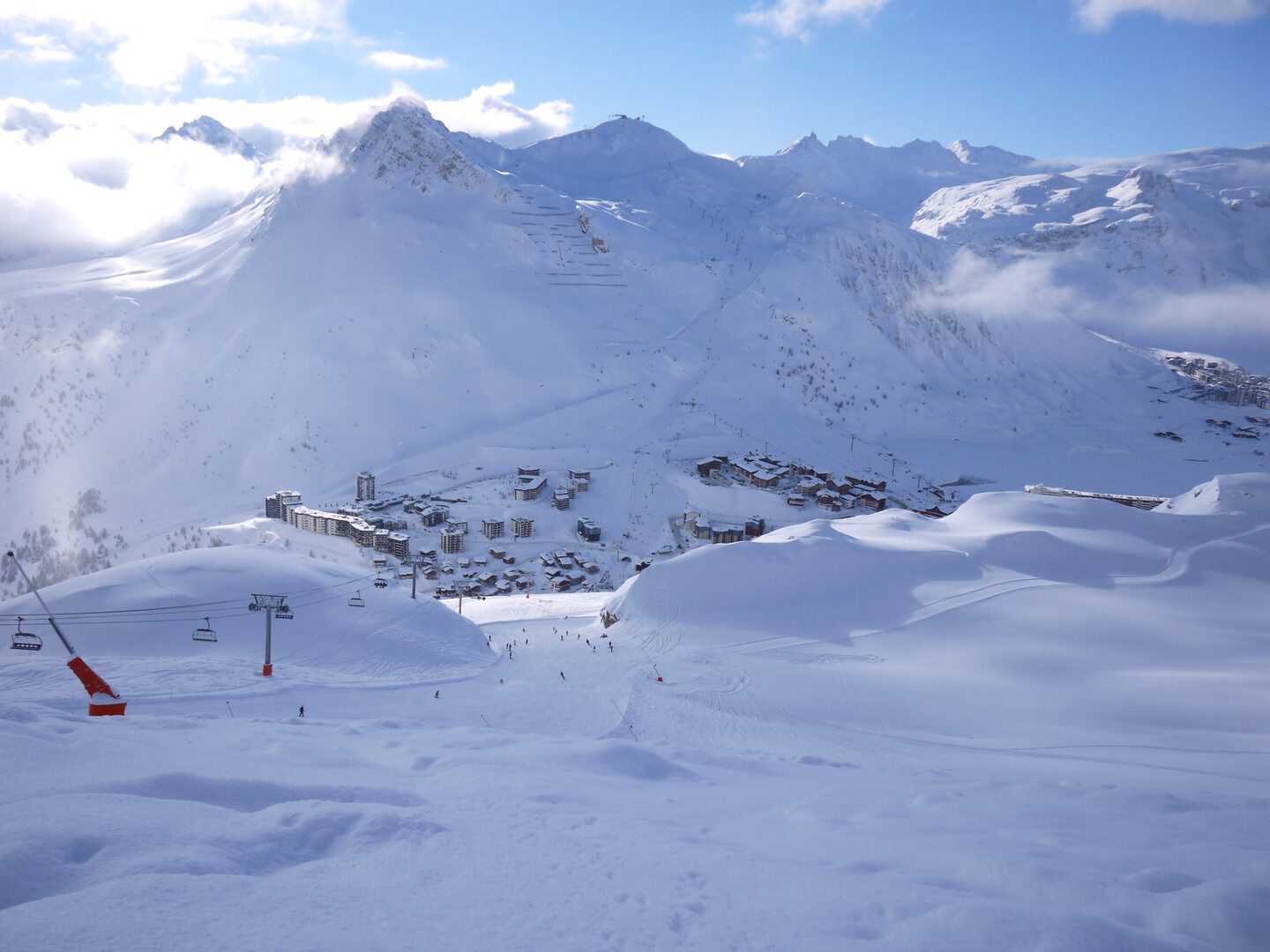
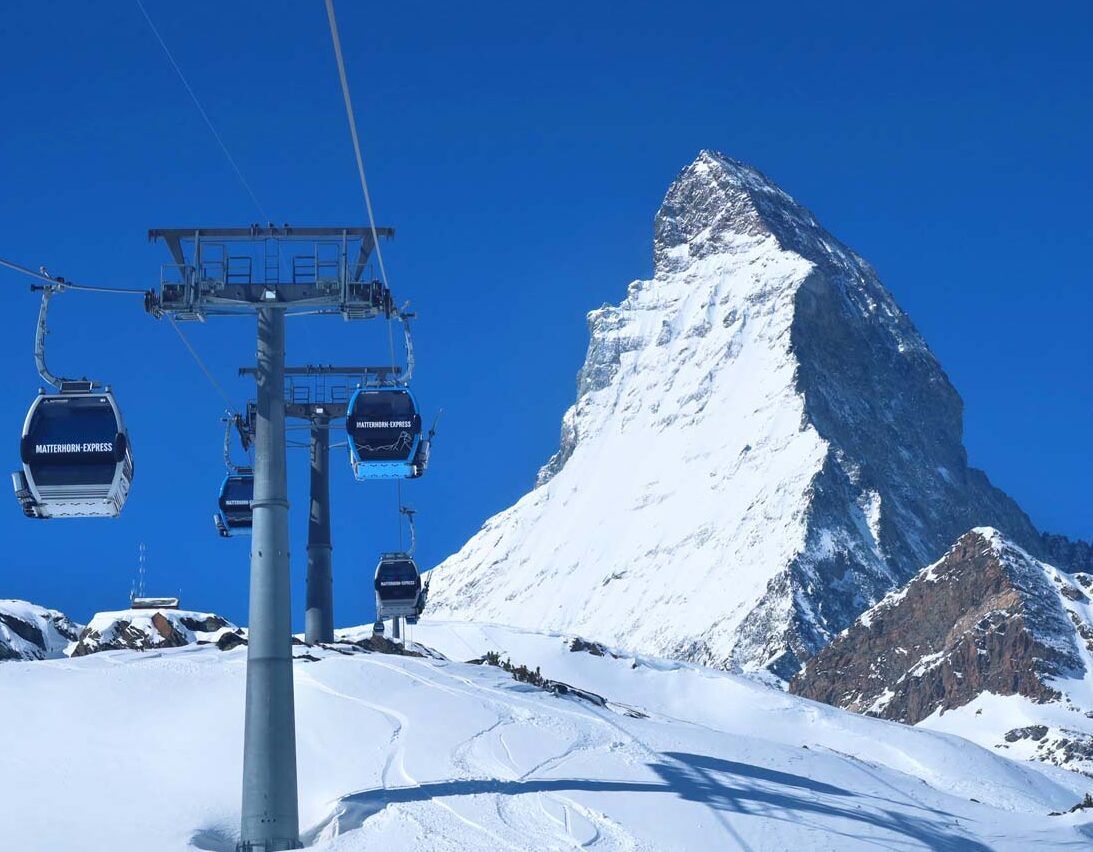
The Alps can get notoriously cold, height and elevations, weather patterns, temperatures and more. But we dive deeper below to answer why is it so cold in the Alps when you go skiing.

Why Is It So Cold in the Alps When You Go Skiing Overview
If you’ve ever visited the Alps. whether for skiing, hiking, or even sightseeing, you’ve likely experienced its famously cold temperatures, even in spring or early autumn. But just what makes the Alps so cold compared.
The Alpine climate is shaped by a combination of elevation, geography, weather systems, and seasonal influences. Below is a detailed look at why is it so cold in the Alps when you go skiing or even snowboarding.
Other Ski Map articles which you may be interested in:
High Altitude: The Biggest Reason
The most important factor is elevation. The Alps are one of Europe’s largest and highest mountain systems. Many peaks in the Alps reach between 2,000 and 4,000 metres, with legendary summits such as Mont Blanc rising above 4,800 metres.
The temperature drops with altitude
On average, air temperature decreases by around 6.5°C for every 1,000 metres you ascent. This is known as the environmental lapse rate. For example:
- If it’s approximately 20°C at sea level,
- It may be only 7°C at 2,000 metres,
- And below freezing at 3,000 metres.
This explains why Alpine ski resorts often remain cold throughout winter. But also why snow can persist on high peaks even in July or August.
Thin Air Traps Less Heat
At higher elevations, the atmosphere is thinner and holds less heat. Air molecules are farther apart, meaning they cannot absorb and retain warmth as effectively as they can at lower altitudes. Because of this:
- Days feel cooler
- Nights become very cold, even after warm and sunny afternoons
- Snow and ice melt slowly
This helps maintain Alpine glaciers. Although climate change has caused widespread retreat in recent decades of these Alpine glaciers.
Snow and Ice Reflect Heat (the Albedo Effect)
Snow-covered mountains stay colder because snow reflects up to 80–90% of incoming sunlight. A phenomenon known as the albedo effect. Whereas in contrast:
- Grass, rock, and soil absorb heat
- Snow and ice bounce most of it back into the atmosphere
This creates a cooling loop: Cold → More snow → More reflectivity → Even colder conditions
As a result, winter temperatures in the Alps remain low, and even sunny days can feel very crisp.
Mountain Weather Systems Bring Cold Air
The Alps sit in a location that exposes them to multiple weather systems. Including:
- Arctic air from the north: Cold polar air frequently sweeps down from northern Europe.
- Continental cold from the east: In winter, icy winds from Russia and Eastern Europe can make the Alps feel extremely cold.
- Moist Atlantic air from the west: When this moist air rises over the mountains, it cools rapidly, this can lead to heavy snowfall and dropping temperatures.
The mixing of these systems creates unpredictable and often very chilly conditions.
Temperature Inversions Make Valleys Colder Than Peaks
Interestingly, sometimes the valleys in the Alps are colder than the summits. This happens during winter temperature inversions, when cold air sinks and warm air rises. This creates:
- Frosty valley floors
- Fog trapped between mountains
- Surprisingly mild temperatures at 1,500–2,000 metres
While unusual, this winter phenomenon highlights the Alps’ complex climate system.
Long Winters and Short Days
During winter, the Alpine region experiences:
- Short daylight hours
- Weak sun angles
- Frequent cloud cover
With less sunlight available to warm the ground, temperatures remain low. High-altitude villages, especially those in deep valleys, can go weeks with limited direct sunshine.
Glaciers and Icefields Create Local Cooling
Large glaciers such as the Aletsch Glacier in Switzerland release cold air into surrounding valleys. These slow-moving rivers of ice act like natural refrigerators, lowering temperatures around them.
Why is it so cold in the Alps When You Go Skiing Overview
The Alps are cold because they combine high elevation, thin air, reflective snow cover, and powerful weather systems from all directions. Combined with long winters, glaciers, and complex air movements, you have a climate that stays cold for much of the year.