Ski holidays are famous for their lively atmosphere, lively mountain bars and the legendary après-ski scene. With that in mind, may wonder, can you take alcohol onto the ski slopes?

Can You Take Alcohol Onto the Ski Slopes Overview
While sipping a beer in the mountains is part of the charm of a ski trip. The rules and risks surrounding alcohol on the slopes are tricky to understand. Below we’ve detailed what’s allowed, what’s not, and why drinking while skiing comes with considerations.
Is It Legal to Take Alcohol on the Ski Slopes?
1. Rules Vary by Country and Resort
There is no single global rule about alcohol on ski slopes. Much like public drinking laws, regulations differ around regions, countries and resorts.
- Europe: Many European ski resorts tolerate drinking in designated mountain bars, but carrying your own alcohol onto the slopes is often discouraged or prohibited for safety reasons. With occasional bag checks taking place with confiscation in place.
- North America (USA & Canada): Ski areas usually have strict rules. Open containers are typically only allowed in licensed areas and drinking while skiing is strongly discouraged.
- Japan: Resorts may be more relaxed socially, but skiing when drunk is not tolerated. Resort staff may remove you from the slopes if you are found to be intoxicated.
In most countries, skiing under the influence can be treated similarly to dangerous behaviour on public property. This may mean fines or lift passes being revoked.
Can You Drink While Skiing?
In short, you shouldn’t — and in many places you legally can’t.
Most resorts classify skiing under the influence as unsafe conduct. If ski patrol believes you are too intoxicated to ski safely, they can take your lift pass, escort you down, or issue fines in some ski areas.
Why Shouldn’t You Drink While Skiing?
- It impairs balance
- Reduces reaction time
- Impacts judgment and confidence
- Drinking can impact body temperature awareness
Can You Bring You Own Alcohol Onto Ski Slopes?
Many skiers may bring a hip flash, or pack a small bottle into their backpack. While this isn’t always illegal, you may want to consider:
1. Safety
If bottles, or glass, carrying on the slope can be dangerous. Particularly if it breaks or shatters.
2. Resort Policies
Many resorts ban alcohol on lifts and piste areas.
3. Altitude Intensifies Alcohol
At higher altitudes alcohol can affect you more quickly. Similar to how drinking impacts you more on flights.
Because of these factors, bringing your own alcohol is generally discouraged.
Where Are You Allowed to Drink Alcohol On Ski Slopes?
Mountain Restaurants & Bars
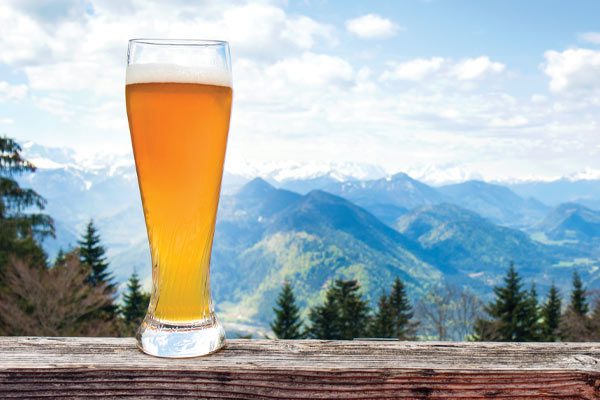
Nearly all ski resorts have licensed bars on the mountain and across the slopes. Drinking is permitted here, and many skiers enjoy a beer on a sunny terrace, a hot wine known as a “vin chaud”, an Aperol spritz and even a glühwein.
However, these are controlled environments where staff can monitor alcohol consumption. And should they need to, stop serving you alcohol.
Après-Ski Areas
Après ski typically begins after not too long after lunch and in resort when the lifts close. These dedicated party zones, like MooserWirt in St. Anton or La Folie Douce in Val d’Isère — are designed for post ski drinking rather than skiing under the influence.
Could You Lose Your Lift Pass for Drinking Alcohol on the Ski Slopes?
In short, yes. Resort staff and ski patrol may revoke your lift pass if they believe you are endangering others, skiing recklessly and may harm others, or obviously intoxicated.
This is more common in North America but it can happen in Europe too.
In Summary, Can You Take Alcohol on the Ski Slopes?
Technically, yes, sometimes. But practically, it’s a bad idea.
While you might not be stopped from putting a beer in your backpack or having a hip flash full of Rum, it’s discouraged. Sometimes it is against resort rules, and potentially unsafe.
The safest and most responsible option is:
- To save the drinking for designated mountain bars and limited alcohol intake whilst there
- Enjoy après-ski after you finish skiing and close your main resort, or even, within the resort after your final run or lift down
- Keep the slopes enjoyable and safe for everyone